The best interior design company for a Dubai home is the one whose skills, scope and working method fit that particular property and owner. A portfolio can show taste; it cannot, by itself, show who prepared the drawings, resolved a site problem or stayed accountable through installation. Before contacting studios, decide what you are buying: a design concept, detailed documentation, furniture selection, fit-out coordination, or some combination of these. That distinction makes proposals comparable.
Put the household on one page
A useful brief begins with the people and the property. Include the type of home, its location, the rooms in scope, who uses them, what works now and what must change. Note any furniture or art to keep, the intended budget range and whether the owner expects to live in the property during works. Name the person who can approve decisions. If several family members will contribute, agree how conflicting feedback will be resolved.

The British Institute of Interior Design's guide to the brief recommends documenting the users, location, existing conditions, budget, desired outcomes and responsibilities. It also treats the brief as something that develops as the project becomes clearer. A good candidate should probe gaps in your brief.
For a villa, note guest and family circulation, the relationship to outdoor spaces and any architectural or service changes under consideration. For an apartment, note building management constraints, storage, working from home and whether rooms need to change use. These details make the interview about your home rather than a general design style.
Read a portfolio for decisions
Ask to see completed work that resembles your scope: a lived-in villa if yours is a renovation, or a comparable apartment if circulation and storage are the challenge. Look beyond the hero photograph. Can the studio explain the starting condition, the constraints and the decisions that shaped the plan? Are there measured drawings, material samples or installed details they can discuss? If a project involved architects, engineers and contractors, ask which parts the studio delivered and which it coordinated.
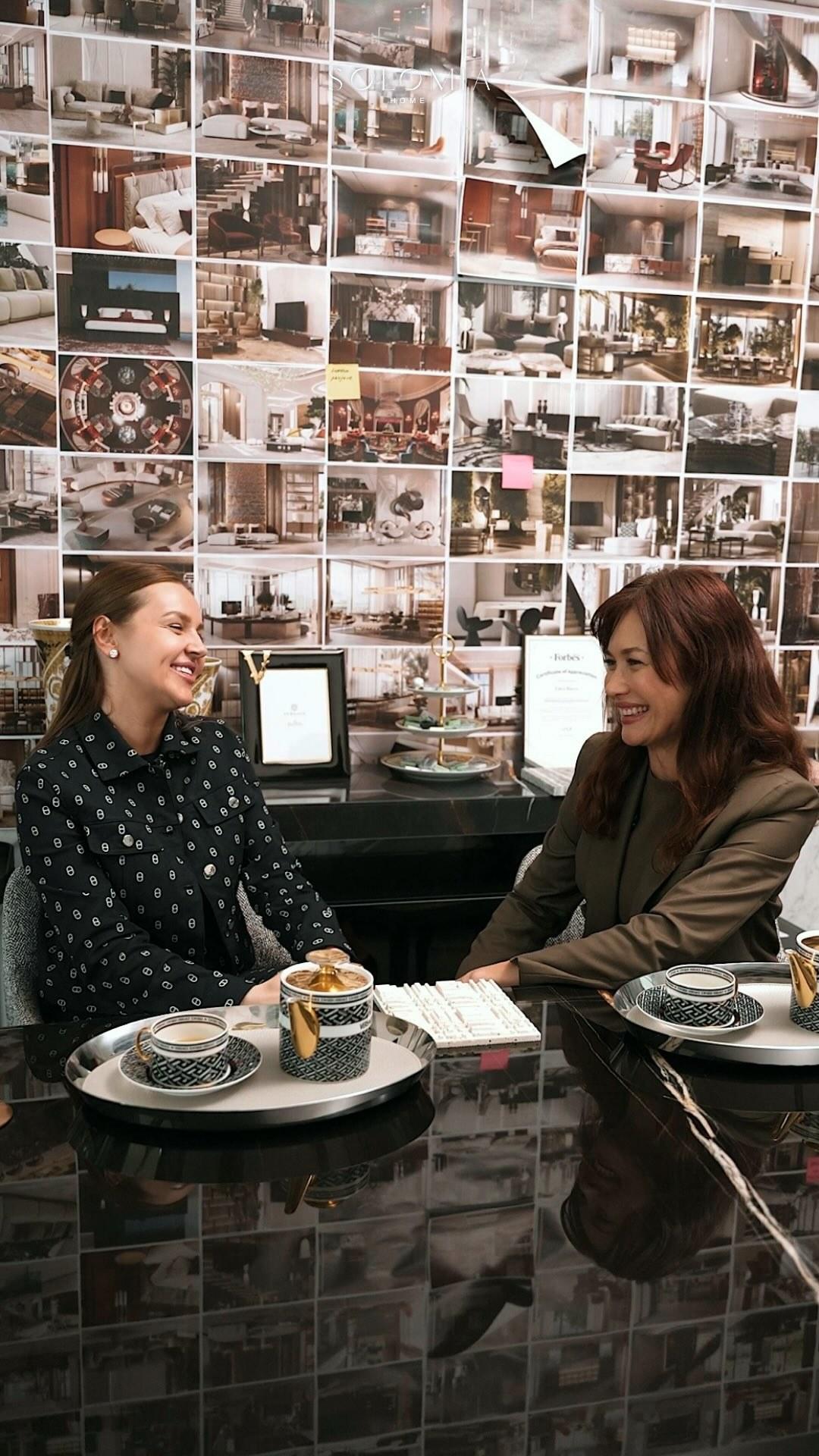
The BIID client guide advises choosing expertise appropriate to the project and comparing approaches, fees and portfolios. Your practical test is whether the team can show relevant evidence and explain its role clearly.
Ask the person who would lead your project to walk through one difficult decision: perhaps a change to a room plan after site measurements, a finish substitution or a clash between a ceiling design and building services. A specific explanation reveals more than a declaration of attention to detail.
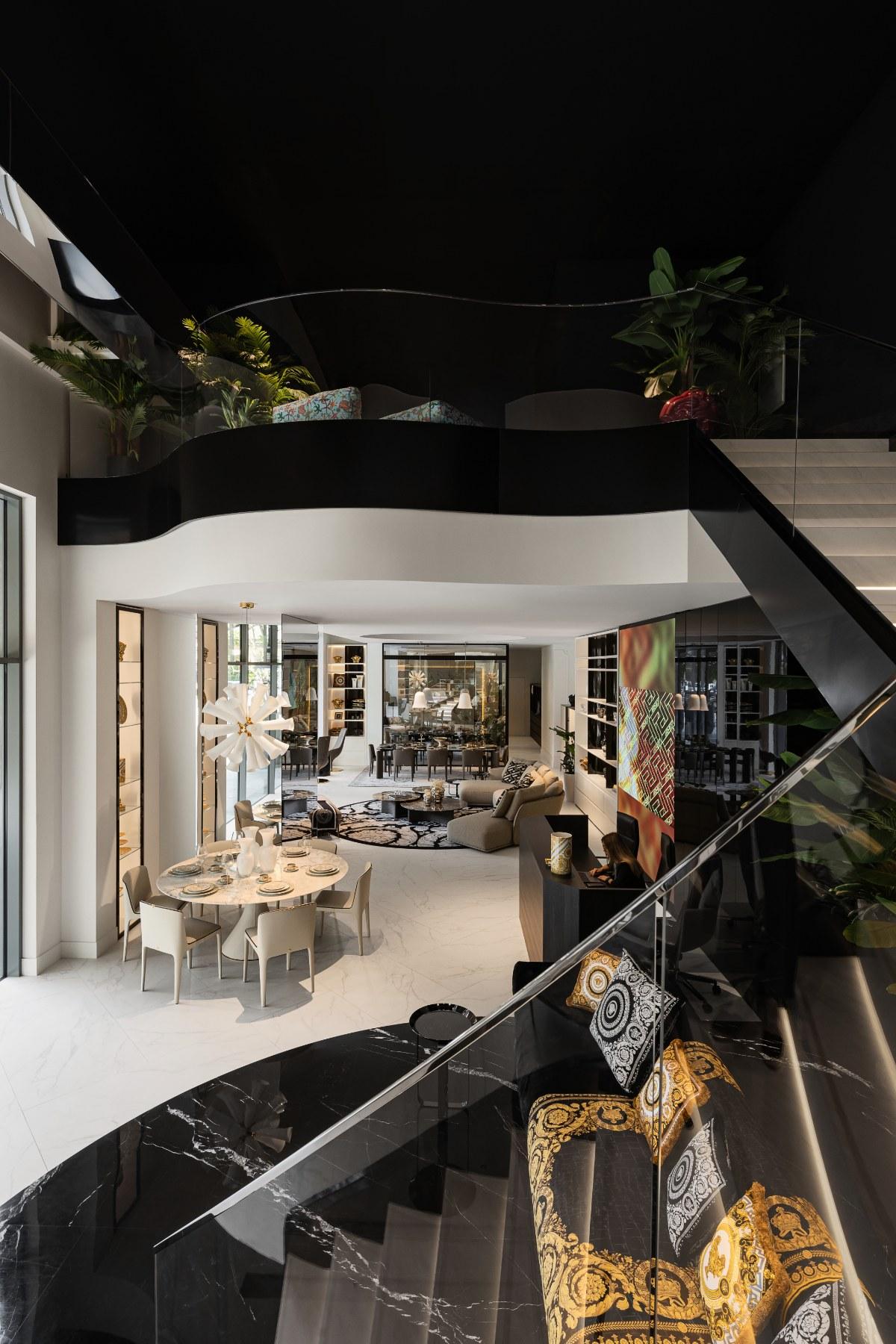
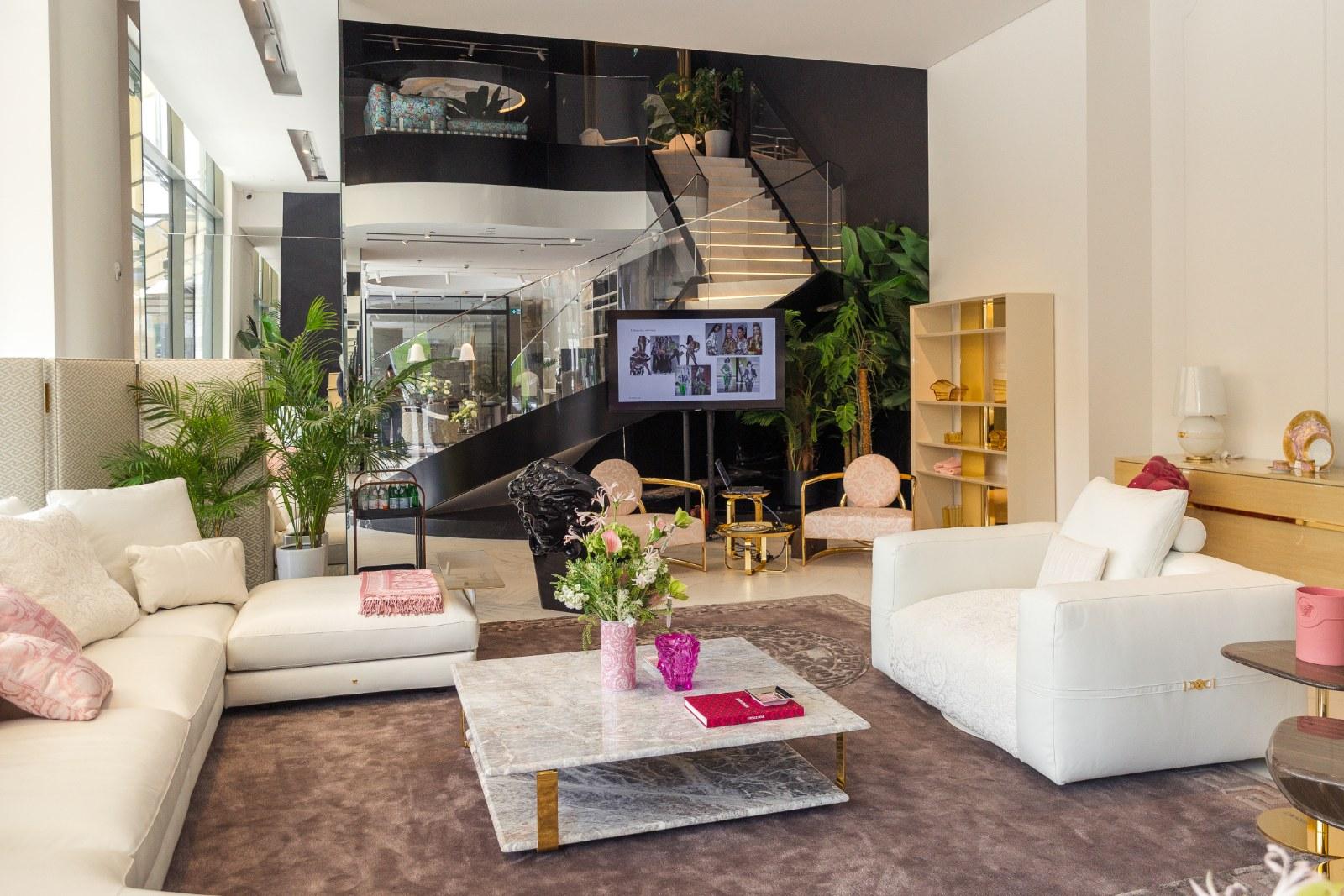
Solomia's portfolio shows the range worth looking for: villas in Emirates Hills, Jumeirah Bay and Dubai Hills, and apartments in One Za'abeel and Palazzo Versace. When you review any studio's work, ask which projects resemble your own home and what decisions shaped them.
Compare proposals at the same level of detail
Two prices are comparable only when the deliverables are. Request a schedule that states what is included at concept stage, what drawings and specifications follow, how many review rounds are planned and whether procurement or site visits are part of the fee. Ask who selects and purchases furniture, who checks shop drawings, who coordinates specialists and who signs off installation. If the studio offers a turnkey service, establish exactly what that term includes in its proposal.

For its members, the BIID Code of Conduct requires an agreed written scope, fees and responsibilities, with variations recorded. The same clarity helps an owner understand when a new request changes the fee or programme.
Watch for omissions as well as attractive inclusions. A proposal that includes photorealistic images but no coordinated technical drawings may be suitable for a limited concept commission and insufficient for a complex fit-out. A detailed furniture schedule without delivery or installation responsibility may leave those tasks to the owner. Neither is inherently wrong if it matches your needs.
Establish who makes and checks each decision
Interior projects involve more than a designer and a client. There may be an architect, structural or mechanical engineer, contractor, specialist fabricator, technology integrator and building management team. Ask who appoints each party, who issues instructions to the contractor, who reviews samples and who maintains the current drawing set. The BIID brief guidance explicitly includes project organisation, communication and responsibility for permissions in the developed brief.
For changes to structure, services or the exterior, have the appropriate professionals check the property and determine the applicable approvals for that scope. A general promise that a company “handles everything” needs to be translated into named responsibilities and documents.
Set a decision rhythm before work begins. How will options be presented? What is the deadline for owner feedback? How will changes be recorded? Who confirms that an approved sample matches the material ordered? These are ordinary questions, but they protect the design as it moves from drawings to site.

Check the relationship as carefully as the images
You will spend time explaining preferences, reviewing trade-offs and sometimes hearing that a desired change has consequences. An effective team should be able to listen precisely, challenge an impractical idea respectfully and offer a reasoned alternative. The American Society of Interior Designers' hiring guidance recommends defining users, activities, budget and timing, then interviewing designers about their experience, services and fee structure.
During interviews, use the same core questions for each company. Ask who will attend meetings and site reviews, what information they need before starting, and how they respond when a material or detail changes. Request references only where the former client has agreed to be contacted, and ask about communication and completion as well as aesthetics.

Once you have compared evidence, select the team whose proposal explains your home's problems, the work it will produce and the decisions it will own. A firm can be an excellent match for one villa and the wrong fit for a compact apartment. If Solomia Design's services are on your shortlist, treat Solomia like any other candidate: send the same brief and ask the same questions. Solomia's designers are happy to answer in detail, from who leads the project to how a changed material is recorded, and to walk you through finished projects. The simplest place to start is the Solomia Design showroom in Dubai Mall, where you can meet the team and see materials in person, whether your home is in Dubai or on another continent.